
Khalsa Punjabi School
Catering to students from K-10 in Western Sydney
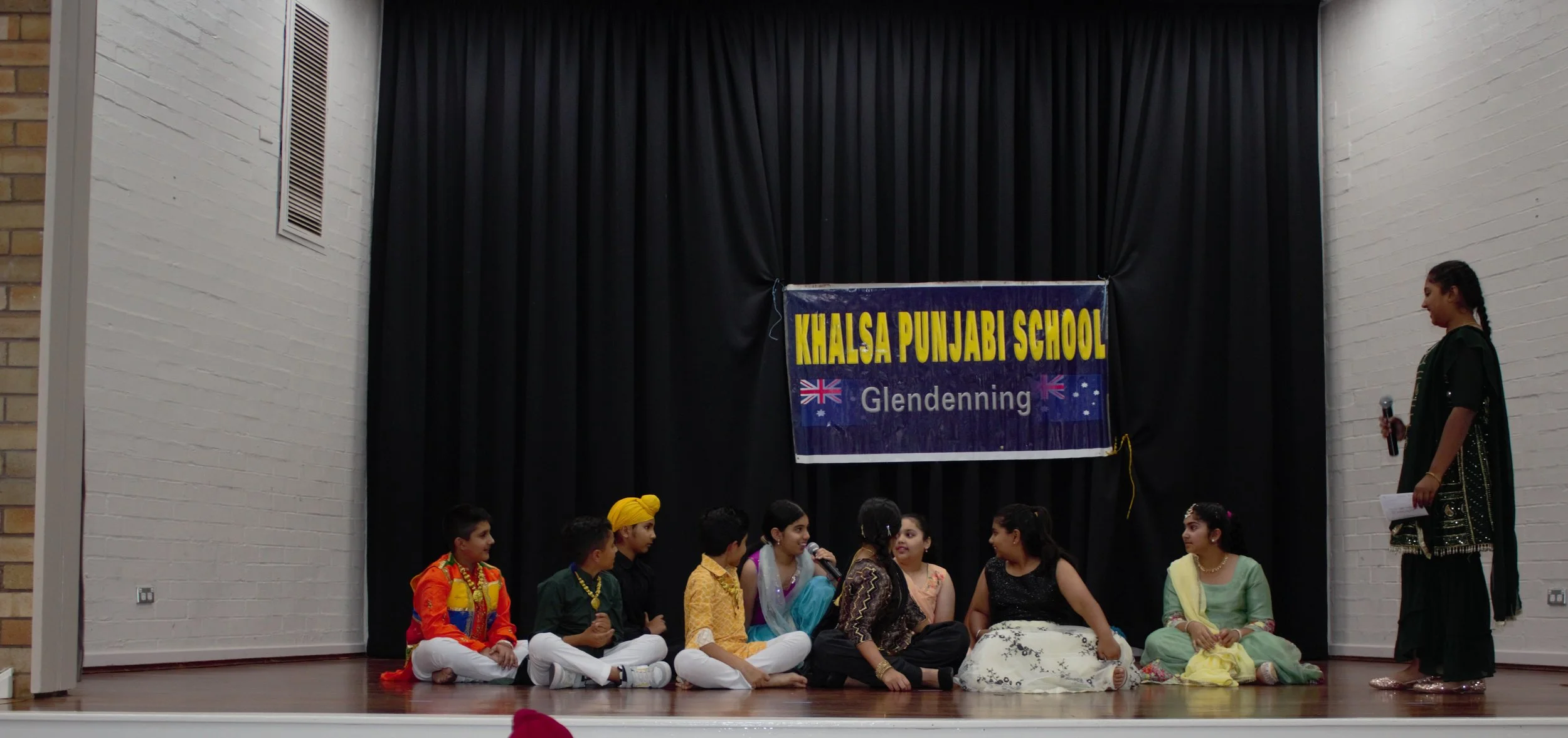
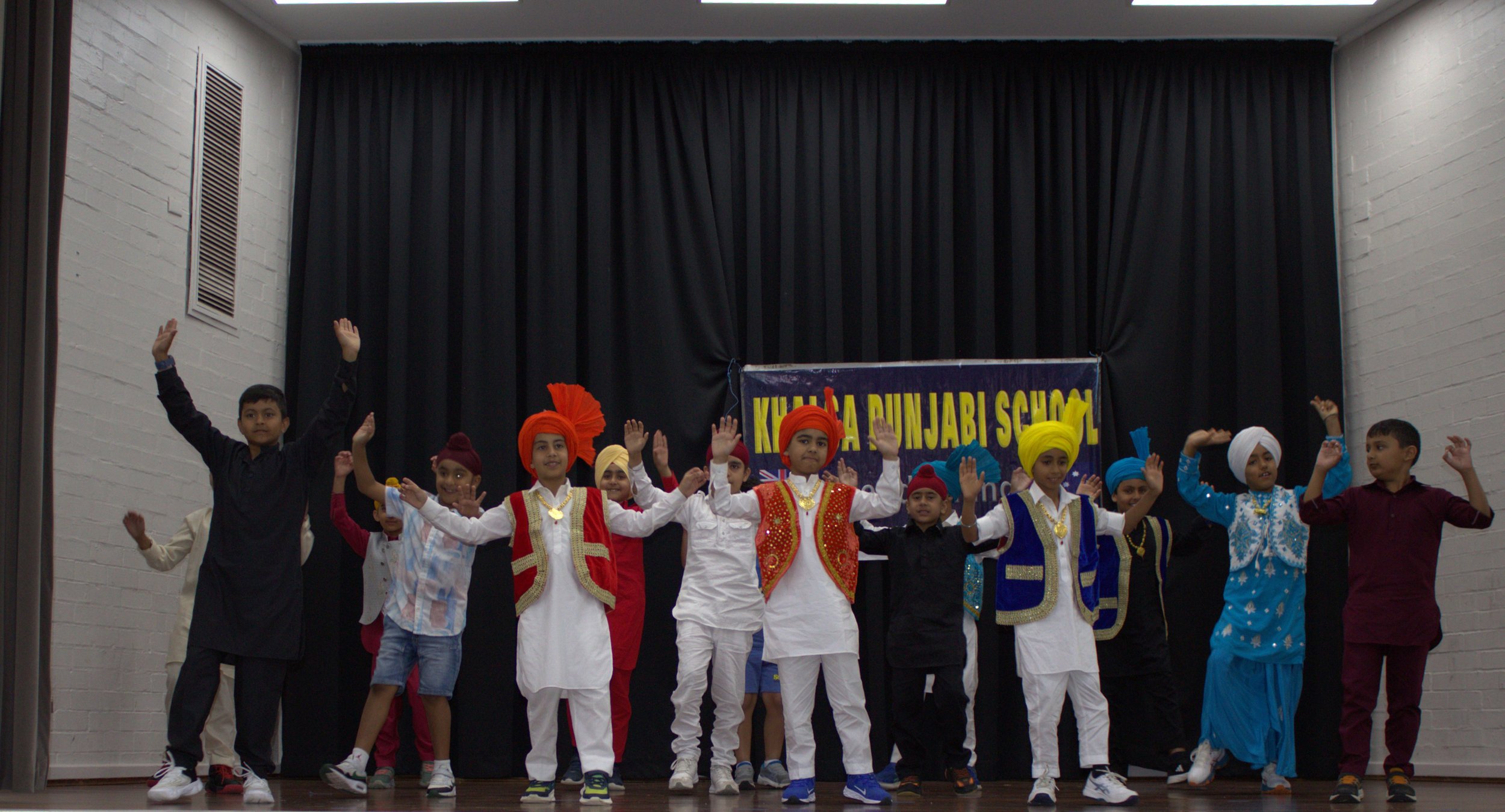
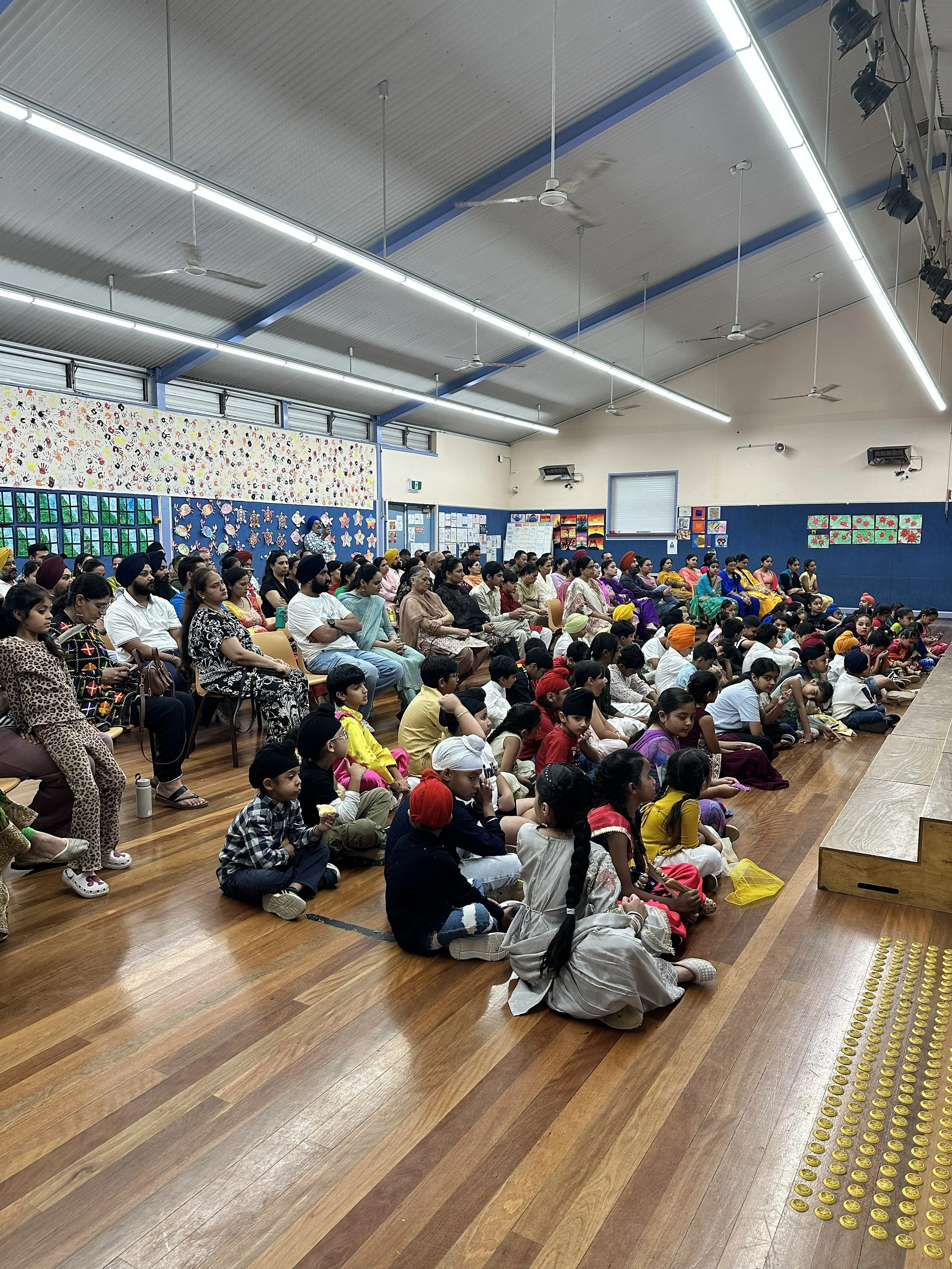
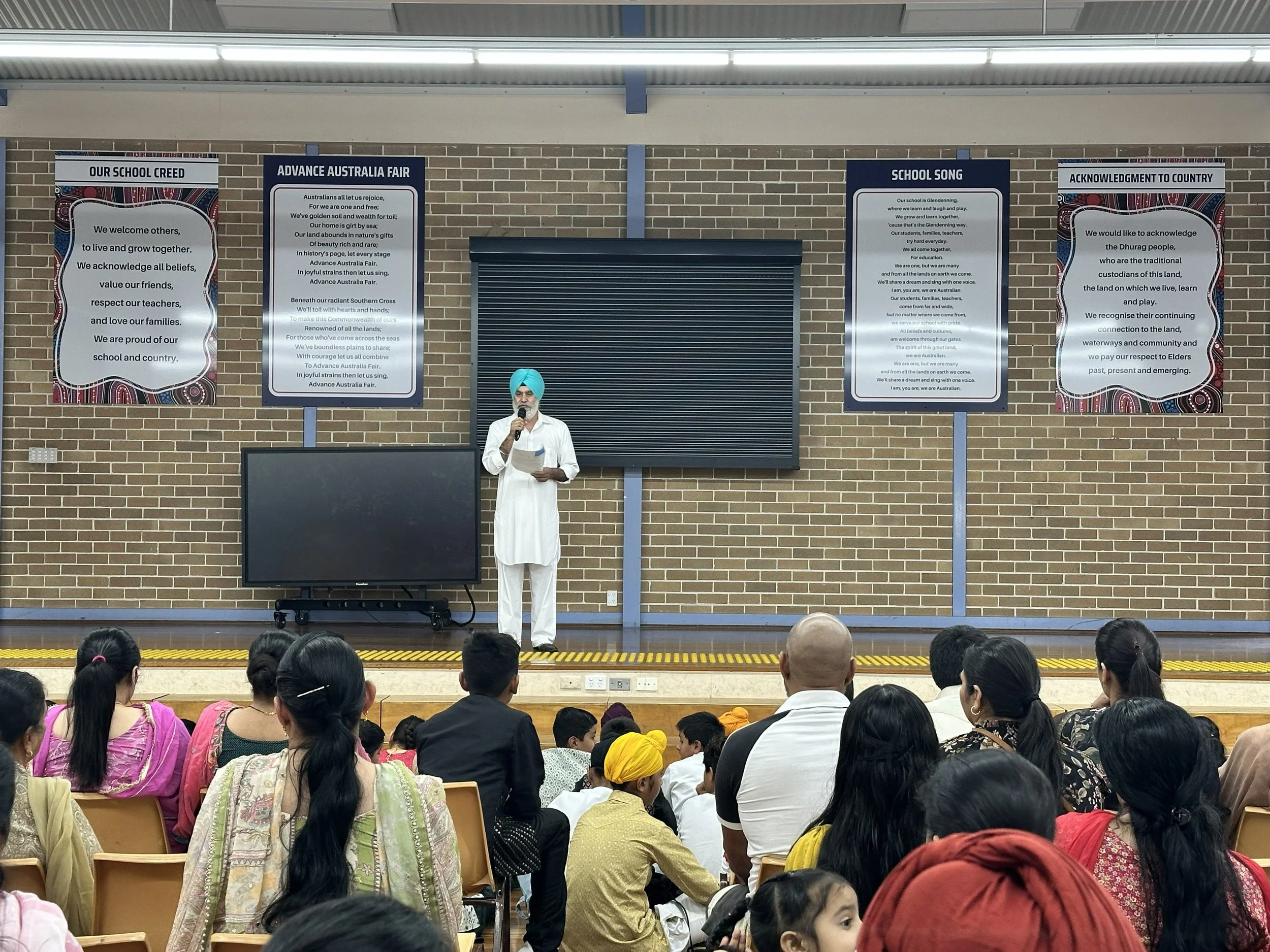
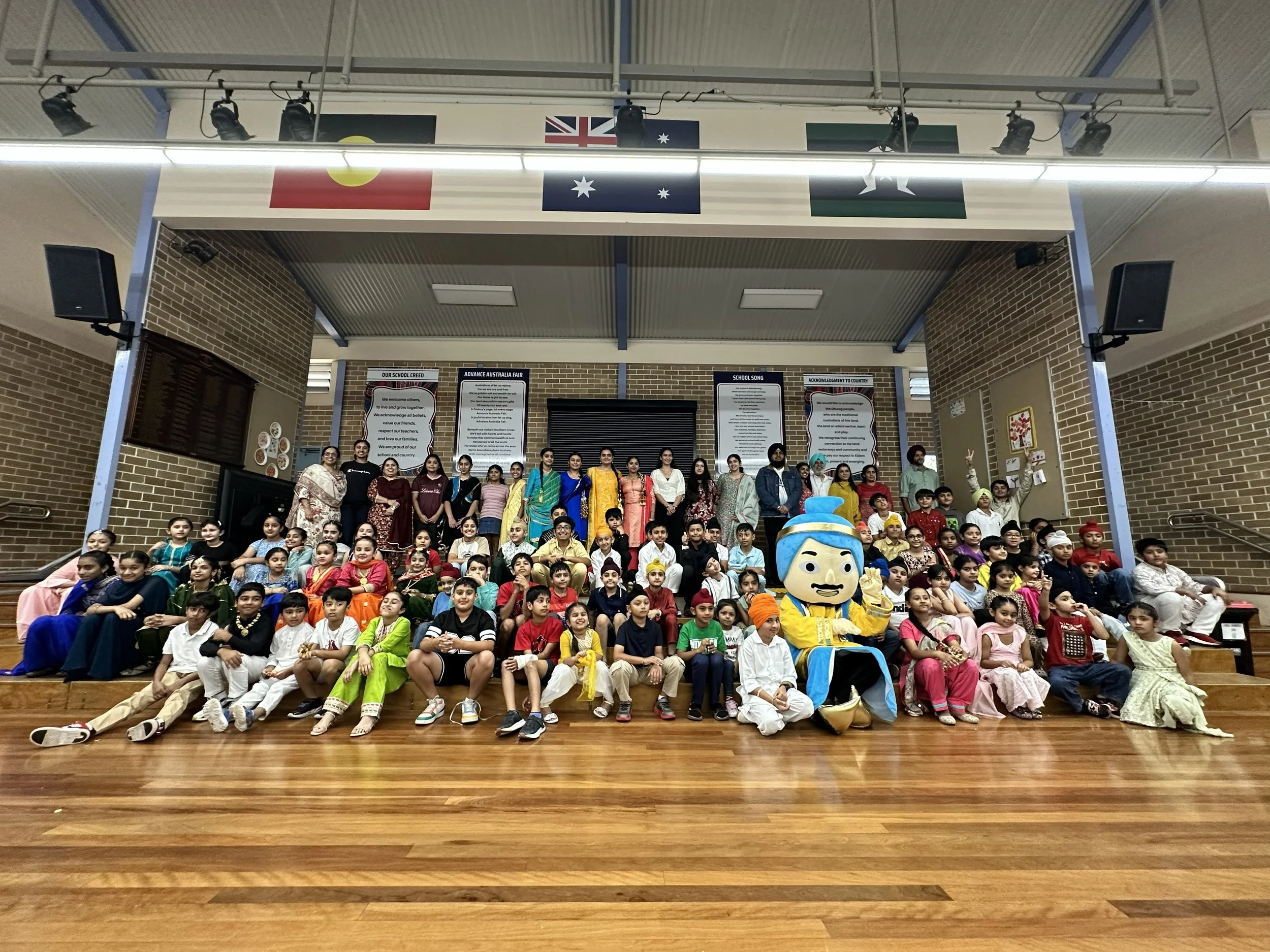
Operating since 2004, Khalsa Punjabi School is a Community Language School in the suburbs of Western Sydney (Australia).
Khalsa Punjabi School is a program funded by the NSW Government under the NSW Community Language Schools Program and is registered with the NSW Federation of Community Language Schools.
2026 enrolment is now closed. Contact us if you want us to consider enrolling your child.
Not in NSW? Contact us to find a school in your Australian state.
Where we operate
Khalsa Punjabi School - Glendenning
every Sunday during the NSW public school term
3 -5pm
Glendenning Public School, Armitage Drive, Glendenning, NSW, 2761
every Sunday during the NSW public school term
2 - 4pm
Classes are only for Kindergarten - Year 2
Northbourne Public School, Northbourne Drive, Marsden Park
Khalsa Punjabi School - Marsden Park
Register for Khalsa Punjabi School at Glendenning
Register for Khalsa Punjabi School at Marsden Park
Our approach
KPS teaches Punjabi uses innovative teaching methods such as communicative language teaching (CLT)
-
Making sure that teachers and students speak Punjabi in class
-
Creating and learning from materials relevant to kids today, including local events and contexts
-
Making sure that students focus on reading, writing, listening, and speaking equally
-
Supporting students to make mistakes and have a go in a safe environment
-
Encouraging kids to learn through games, photos and videos, discussions, and art
-
We use technological aids and a diverse range of resources to teach
Kindergarten - Year 2
Kindergarten, Year 1 and Year 2 students learn to speak and listen in Punjabi. They watch videos, listen to poems, stories and audio and sing songs.
Students who are background speakers also learn to write painti akhar (Punjabi alphabet) using vocal recognition skills.
We modify the order of the alphabets when we teach Paniti akhar so that students can learn easily as they are learning a new script.
Year 3 & 4
Year 3 and Year 4 students learn to read and write using modelled language, text types templates and new vocabulary. They also engage in games, quizzes and other hands-on activities.
Year 5 & 6
Year 5 and Year 6 students learn to express their opinions and think critically and creatively.
They engage in project work to strenthen their ability to read, write and speak in Punjabi.
We encourage them to seek to enrol in further study of Punjabi at high school level at the NSW Secondary College of Languages.
Where possible we link learning to other NESA K-10 syllabuses such as PDHPE, HSIE or Mathematics. This ensures continuity of learning and makes it relevant.
Work with us
-
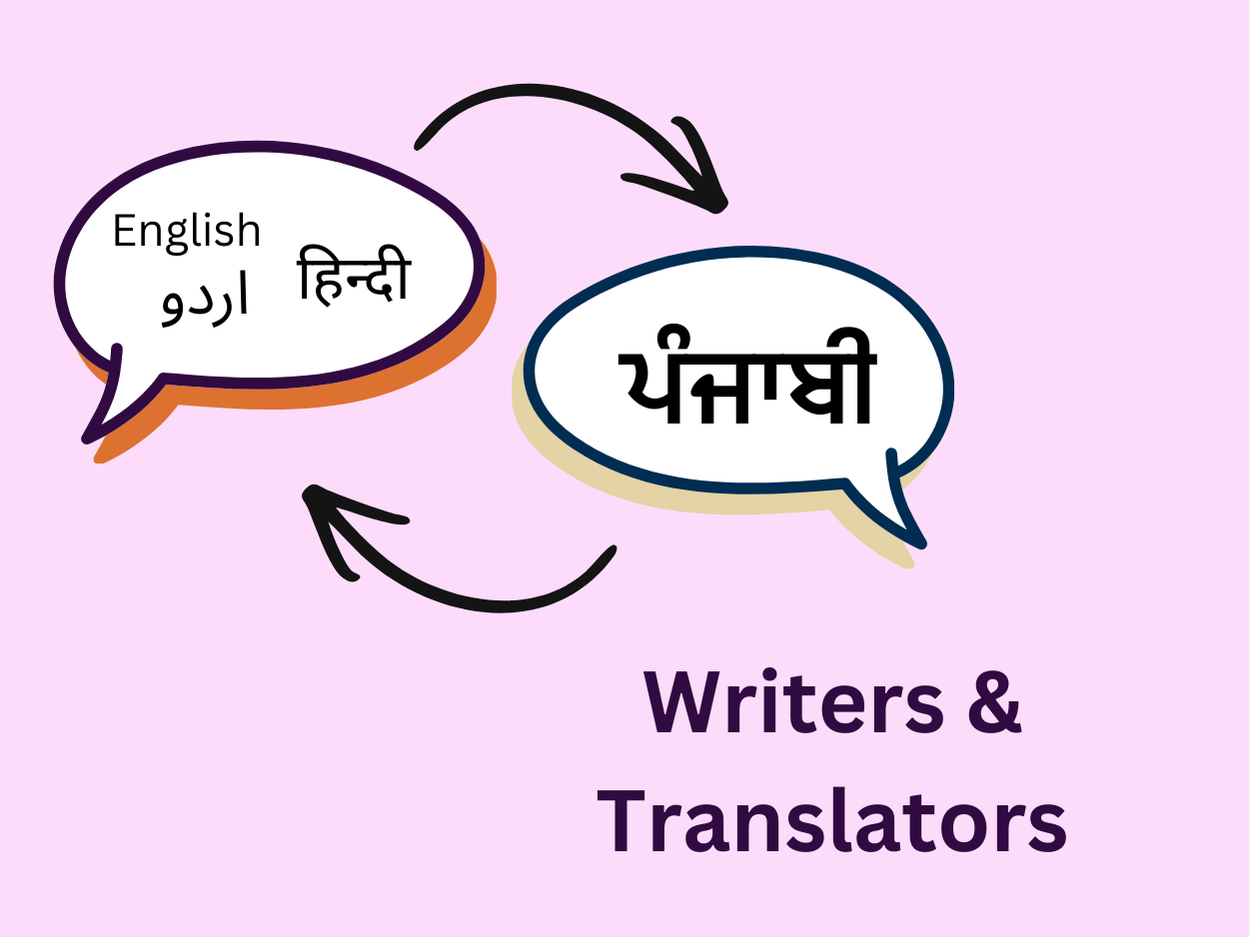
Writers and Translators
Stories, poems and more
We are always looking for people to:
- Write stories and poems in Punjabi, and
- Translate content from other languages into Punjabi
As a writer, we will publish your story. All writers and translators are credited in publications. Opportunity for this to be paid.
We are also looking out for illustrators for this content.
Interested? Contact us via the Contact button below
-
Teachers
Punjabi teachers wanted!
As we grow, we are on the lookout for dedicated Punjabi teachers who can teach using our style of teaching.
Please note, this is a weekly commitment.
Interested? Contact us via the Contact button below
-
Event organisers
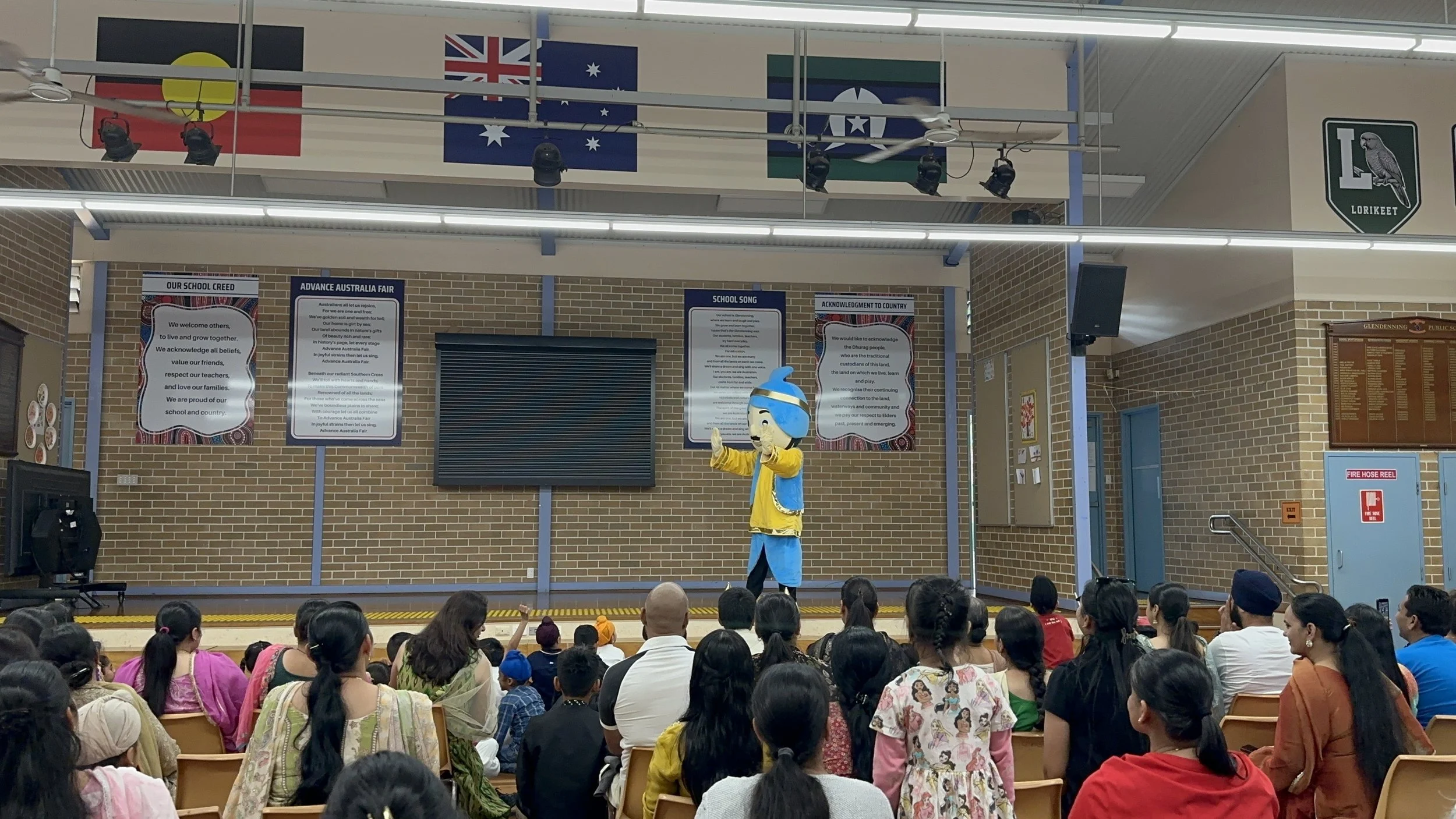
Vaisakhi, annual functions, and excursions
We are looking for volunteers to help organise:
- a Vaisakhi event for the school
- the school’s Annual end-of-year celebration
- occassional school excursions
Volunteers will help plan, organise, and run events.
Interested? Contact us via the Contact button below
For parents and carers
Learn how we teach and the expectations we have of our community.
Submit any questions via the Contact button.
We are a child safe organisation
All children at Sikh Khalsa Mission Inc and Khalsa Punjabi School have a right to feel safe, protected and included.
Our organisation is committed to protecting the children in our care from harm and abuse.
We endeavour to ensure all students and children are safe when at school.
You can read our Child Safe - policy and procedures and related documents for more information.




Punjabi Schools in Australia
There are several other organisations that run punjabi language schools across Australia. Click through to your state below to find one in your area.
These schools are not associated with Sikh Khalsa Mission or Khalsa Punjabi School